
A Safer Move Can Restore Peace of Mind
When Linda watched her father, George, pause at the edge of the bed with his hand wrapped tightly around the rail, she felt that familiar mix of worry, guilt, and uncertainty rise all at once. He insisted he was fine, but the extra hesitation before sitting in his favorite chair told a different story. For many families, it is not one dramatic event that raises concern. It is a quiet moment like this that makes them wonder whether home still feels as safe as it should.
Bed-to-chair transfers can become harder after a fall, illness, hospitalization, medication change, stroke, Parkinson’s progression, weakness, dizziness, or cognitive changes. For families seeking support in Arlington and surrounding cities across Northern Virginia, recurring hesitation deserves attention, even when a loved one tries to minimize it.
Our mission is to redefine home care around the moments in between the tasks, where trust is built, connection is made, and care goes from excellent to exceptional. Guided by our core value, “More Than Tasks. Meaningful Care,” we believe the most meaningful support often comes from the relationships, conversations, and quiet moments that help families feel confident and loved ones feel truly cared for.
Warning Signs That Transfers Need More Support
A transfer may no longer feel safe when someone holds furniture for balance, shuffles or freezes before standing, needs several tries to rise, or seems dizzy, weak, confused, or afraid of falling. Near-falls matter too. They can point to changes in strength, coordination, medication response, cognition, or daily functioning.
Less obvious changes can be just as telling:
- Staying in bed longer than usual
- Skipping meals because the kitchen feels too far away
- Avoiding favorite rooms or activities
- Calling for help more often
- Changes in sleep or mood
These concerns can be especially difficult to interpret when dementia, Parkinson’s disease, or stroke recovery is part of the picture, because changes may happen gradually. You do not need to wait for a serious fall or an emergency room visit before seeking added support.
Turning Transfers Into a More Supported Routine
A difficult transfer affects more than mobility. It can change how a person starts the day, whether they join a meal, or if they feel comfortable moving from room to room. That is why support matters in ways families feel immediately. A steadier morning can mean less fear, more dignity, and a better chance to enjoy the small routines that make home feel familiar.
Marcus saw that with his mother, Evelyn. She was most unsteady in the first few minutes after getting out of bed, and that pattern left him distracted at work and worried about what might happen next. With a familiar care professional beside her, a calmer pace, and a routine that fit her needs, Evelyn became more at ease. Marcus gained something important too: the reassurance that someone was there to notice subtle changes before they became larger problems.
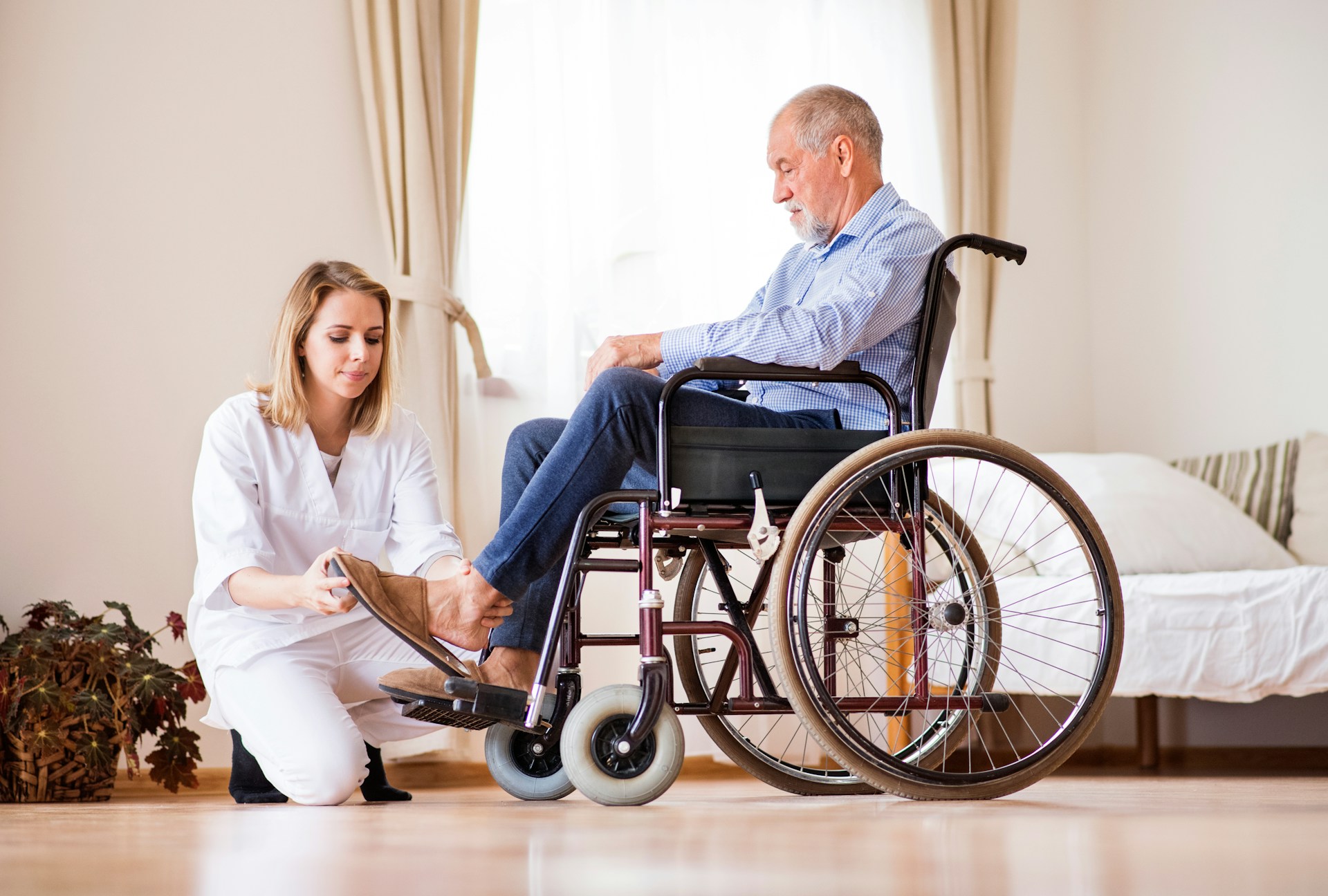
Our care team provides hands-on, non-medical support with getting out of bed, moving to a chair, toileting, dressing, meals, and settling in for the evening. Consistent routines, clear communication, and thoughtful pacing can make a stressful moment feel calmer and more familiar.
Our caregivers do more than assist with daily tasks; they build relationships that bring comfort and confidence to families. With monitoring technology supporting our care team, we can also identify potential concerns in the home and respond proactively.
Families looking for practical guidance can also explore our Family Guide, which brings together answers to many of the questions families ask when they first begin considering support at home.
Adding an Earlier Layer of Safety Awareness at Home
Paragon Home Care has made a significant investment in Sensi, an advanced, HIPAA-compliant audio-awareness platform that works as an always-on virtual care assessment system in the home. Through the Care and Safety Program-powered by Sensi, pods are installed quickly, care needs or changes can be detected, and our care team can be alerted for proactive follow-up.
Sensi provides an additional layer of safety and oversight for clients and families. It can help bring attention to concerns such as fall risk, dizziness, sleep changes, medication-related concerns, difficulty with daily activities, hearing impairment, memory changes, mood changes, and reduced companionship. Its value is early detection, which gives care teams a chance to respond sooner and shape more personalized support.
Our caregivers deliver compassionate support backed by Sensi monitoring technology, which helps identify potential safety concerns and behavioral changes in the home, allowing us to respond proactively.
This is where human presence and innovation work together. Paragon Home Care combines high-touch caregiving with advanced safety technology, creating a balance of connection and insight. It reflects a simple idea that matters to families and professionals alike: compassionate caregivers supported by intelligent care technology.
Supporting Families and Referral Partners Through Change
When a parent’s needs begin to change, families often carry more than scheduling concerns. They carry stress, anxiety, second-guessing, and the quiet fear of missing something important. Reliable support can ease that weight by giving families clearer insight, steadier routines, and more confidence in what comes next.
Paragon Home Care is a trusted partner for hospitals and care managers, providing reliable hourly and live-in support for safe transitions home. We provide non-medical private-duty support and can work alongside medical providers, discharge planners, care managers, and families. Our caregivers are supported by Sensi monitoring technology that helps identify potential safety concerns early and enables proactive intervention.
That additional visibility has been especially well received by healthcare professionals, referral partners, and medical providers who want greater confidence between scheduled visits. Successful client placements have come through neurologist referrals, healthcare professionals, and website inquiries, and that strong response helps validate Paragon Home Care’s specialty care approach.
Families also benefit from the education behind the care. Anita Irvin serves as a key dementia care resource and educator for Paragon Home Care, supporting dementia care expertise, community outreach, educational content development, and future specialty certification initiatives. Her role helps strengthen the guidance families receive as they navigate difficult decisions.
The same philosophy carries into caregiver engagement. Initiatives such as the Moment of the Month recognition program and conversation card games encourage deeper connection, companionship, and meaningful conversation. Those moments matter because care is not only about helping someone move safely from bed to chair. It is also about helping them feel seen, settled, and connected throughout the day.
Take the Next Step Before a Fall Changes Everything
When transfers start feeling uncertain, it helps to talk about support before a serious fall or hospitalization forces the issue. Asking for help does not mean giving up meaningful routines. It can protect time for favorite meals, familiar conversations, hobbies, and the quiet moments that bring comfort at home.
Build a Safer Transfer Plan at Home
When transfers begin to feel uncertain, our team can help families understand options for elderly home care in Reston and create a plan that supports safer daily routines. Paragon Home Care pairs attentive, hands-on assistance with the Care and Safety Program-powered by Sensi, which can help our team identify potential concerns in the home and respond proactively. Contact us to discuss hourly or live-in support that brings greater reassurance to both your loved one and your family.