
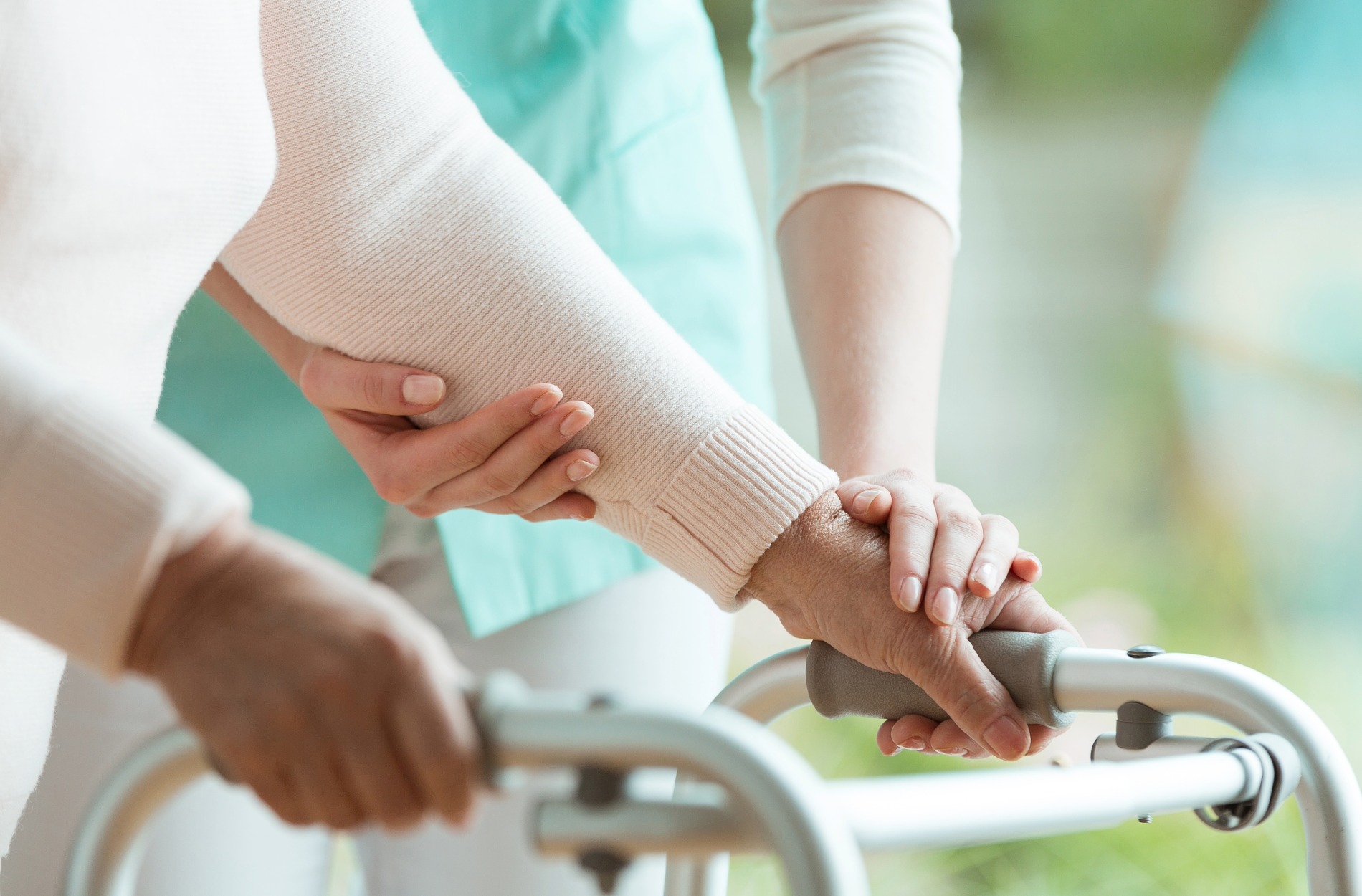

McLean Families Get a Smarter Early-Warning System This Summer
Keeping an aging parent safe at home can feel harder once summer hits in McLean and surrounding cities across Northern Virginia. There is more heat, more visitors, more outings, and more chances for little changes to turn into big problems. Small things like a restless night, a missed water glass, or a late medication dose can quickly affect balance, thinking, and mood.
That is where an early-warning dashboard for senior safety comes in. With compassionate in-home caregivers supported by Sensi.AI remote monitoring, families get an extra set of “ears” in the home. The technology listens for patterns, our care team reviews the signals, and together we act on concerns around falls risk, possible UTI or dehydration, and medication adherence before they grow into emergencies.
Why Early-Warning Signals Matter More in Hot Weather
Heat and schedule changes can quietly raise the risk for older adults living at home. Even people who are usually steady and sharp can be thrown off by hotter days or disrupted routines.
In warmer months, we often see:
- More lightheadedness from being overheated or not drinking enough
- Extra clutter from guests, bags, or outdoor gear that can become trip hazards
- More trips to the door, deck, or driveway that add chances to lose balance
Dehydration and UTIs also tend to flare when it is hot. Many older adults already drink less to avoid bathroom trips or simply do not feel as thirsty. If they also have mobility or memory challenges, getting enough fluids can be even harder. That can lead to:
- Increased confusion or agitation
- Changes in sleep and bathroom patterns
- Weakness that makes standing and walking less safe
Summer brings visitors, vacations, and more appointments. All of that can throw off medication schedules. When doses are late, skipped, or doubled, blood pressure, blood sugar, and mood can swing. For seniors who just came home from the hospital with new prescriptions, this kind of mix-up can be especially risky. Reliable monitoring and caregiver oversight help keep routines steady even when life is busy.
Inside the AI Dashboard: The Falls Risk Alerts That Count
Sensi.AI works in the background, without cameras, listening for patterns that may point to higher falls risk. It does not guess based on one odd moment. Instead, it picks up changes that repeat over time, such as:
- Restless nights or very broken sleep
- Frequent bathroom trips, especially a sudden increase
- Noticeable changes in walking pace or movement patterns
- Repeated “near-fall” events, like slips or stumbles that do not end in a fall
Our clinicians and care coordinators review these alerts and compare them with what caregivers see in the home. If a caregiver has noticed slower transfers, extra grabbing for furniture, or new fear of walking, and the AI is flagging more night movement, we know it is time to pay attention.
From there, families and referral partners can expect clear, real-world steps, such as:
- Home safety checks to reduce clutter and add simple supports
- Extra help with transfers, stairs, and bathroom visits
- Coordination with physical therapy when more targeted support is needed
- Closer watch and quicker follow-up after hospital discharges for safer transitions home
Catching Dehydration, UTI, and Medication Risks Early
Some of the earliest signs of dehydration or possible UTI risk can be easy to miss in daily life. Sensi.AI helps by spotting quiet shifts in routine that might signal trouble, including:
- More nighttime bathroom use than usual
- Restlessness, pacing, or more time awake at night
- Reduced daytime activity or longer naps
When our caregivers come into the home, they look at the person in front of them, not just the data. They may notice that the senior is drinking less, eating only small amounts, or seeming more irritable or confused. When these observations line up with an AI pattern, we know there is a real concern.
Responding early can mean:
- Encouraging fluids in simple, steady ways during the day
- Watching for burning or discomfort when using the bathroom
- Calling the primary care office sooner to report new or worsening symptoms
- Adjusting the care plan so someone is checking in more often while things are changing
Medication adherence is another key part of the early-warning dashboard. Irregular routines, forgetfulness, or complex medication schedules can lead to missed or duplicate doses. After a hospital stay, when medications may have changed, this becomes even more common.
Sensi.AI can highlight changes in movement patterns around usual medication times, shifts in sleep, or overall daily rhythm that suggest something is off. When we see this, our caregivers respond by:
- Building simple, relationship-centered routines around medication times
- Offering reminders and gentle support, not pressure
- Helping families understand where confusion is happening
- Partnering with care managers and medical providers to support safe use at home
How Home Care in McLean, VA Turns Data Into Daily Support
Home care in McLean, VA, and surrounding cities across Northern Virginia is strongest when local, relationship-based care is paired with thoughtful use of technology. Sensi.AI alerts are never acted on alone. They are one part of a bigger picture that includes:
- Caregiver notes and observations
- Family concerns and goals
- Guidance from hospitals, primary care, and care managers
When an alert comes in, we share it with the care team that knows the person best. Together, we co-create a proactive plan, such as adding an evening visit to support safe nighttime bathroom trips or checking in more often during a heat wave. For referral partners, hourly and live-in coverage supported by ongoing monitoring means safer transitions home and earlier warning when recovery is getting off track.
Acting on Alerts: What Families and Partners Can Expect
When AI detects a concern, the steps are clear and steady, not rushed or confusing. In general, the process looks like this:
- Internal review by our care team to confirm the pattern
- Communication with the in-home caregiver for on-the-ground feedback
- Follow-up in the home to look for real-world signs of change
- Updates shared with families and referral sources when needed
- Adjustments to the care plan based on what everyone is seeing
Concrete examples might include:
- During a heat wave, repeated alerts about low daytime activity and restless nights can lead to more frequent hydration prompts and shorter, calmer daytime activities.
- If there are repeated nighttime bathroom alerts, we might add a safety-focused evening visit, remove clutter, and check lighting and grab bars.
- When concerning behavior changes keep showing up, we can help families coordinate a visit with a nurse or physician so medical issues are considered quickly.
This early-warning approach helps families feel less alone and gives hospitals and care managers more confidence that their patients are being closely watched between appointments or after discharge. With compassionate caregivers supported by Sensi.AI, potential safety concerns and behavioral changes in the home can be identified earlier, and everyone involved can respond in a thoughtful, proactive way.
Choose Compassionate Support For Your Loved One Today
Our mission is to redefine home care around the moments in between the tasks, where trust is built, connection is made, and care goes from excellent to exceptional. Guided by our core value, “More Than Tasks. Meaningful Care,” we believe the most meaningful support often comes from the relationships, conversations, and quiet moments that help families feel confident and loved ones feel truly cared for. If you are exploring options for safe, personalized home care in McLean, VA, we are here to guide you through each step. At Paragon Home Care, we tailor every care plan to your loved one’s unique needs so they can remain comfortable and independent at home. Reach out to our team with your questions or to request a no-obligation conversation about care, and we will respond promptly. When you are ready to talk next steps, simply contact us to get started.